

How Long Can Furnaces Typically Last?
A well-maintained furnace is the heartbeat of any comfortable home. Did you know that the average furnace lasts between 15 to 30 years? That’s a significant lifespan, but it doesn’t come without its share of maintenance and care! Whether you’re a new homeowner or a seasoned pro, understanding how long a furnace can last—and what affects its longevity—can save you time, money, and a lot of headaches down the line.
The Lifespan of a Furnace: What to Expect
When we talk about furnaces, the numbers can vary quite a bit. On average, a furnace can last anywhere from 15 to 30 years. However, several factors can affect this lifespan. Let’s break it down.

1. Type of Furnace
Different types of furnaces have different lifespans. Here’s a quick overview:
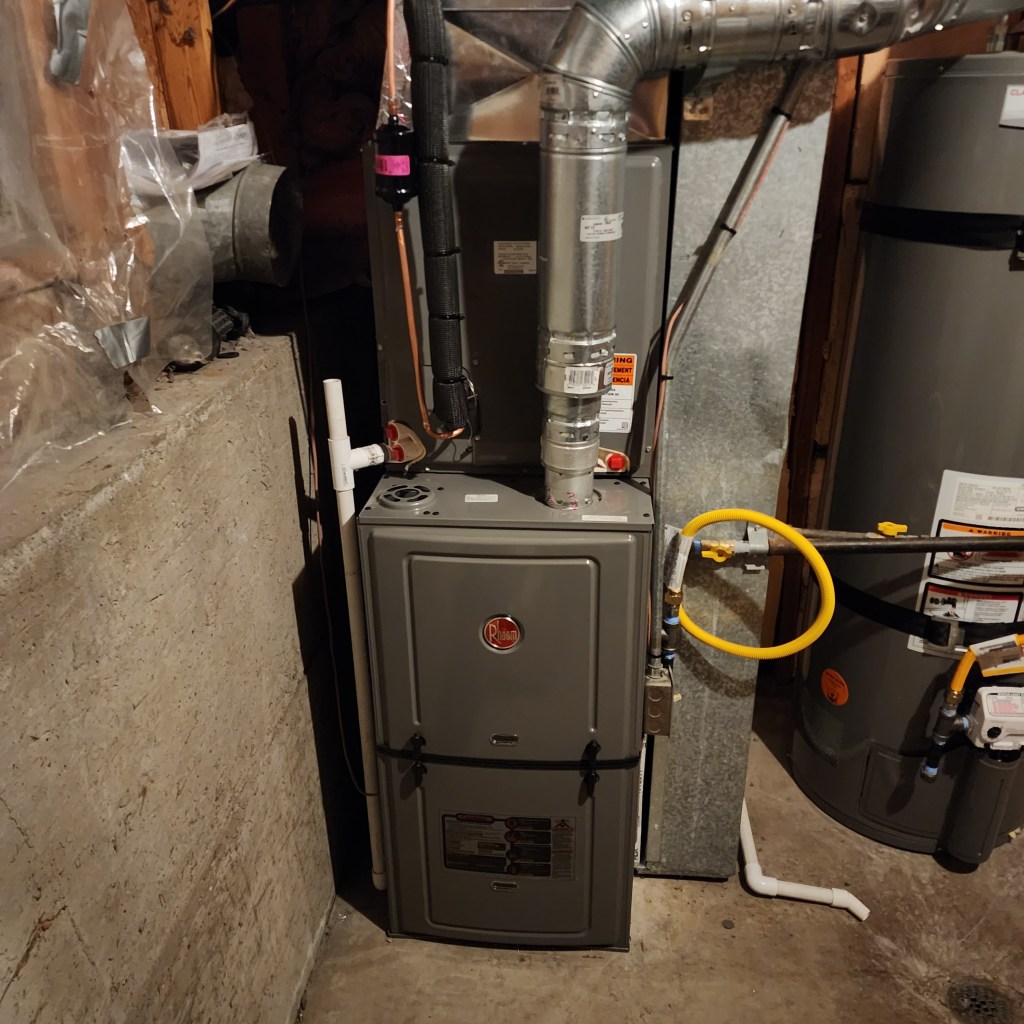
- Gas Furnaces: Typically last 15 to 30 years. They are popular for their efficiency and reliability.
- Electric Furnaces: Often last longer—up to 30 years. They have fewer moving parts, which generally means fewer repairs.
- Oil Furnaces: These can last around 15 to 25 years but require regular maintenance to keep them running smoothly.
- Propane Furnaces: Similar to gas furnaces, they usually last about 15 to 25 years.
Choosing the right furnace type for your home can set the stage for longevity!
2. Maintenance Matters
Just like your car needs regular oil changes, your furnace needs regular maintenance. Here’s what to keep in mind:
- Annual Inspections: Schedule an annual inspection with a qualified technician. They’ll check for issues that could shorten your furnace’s lifespan.
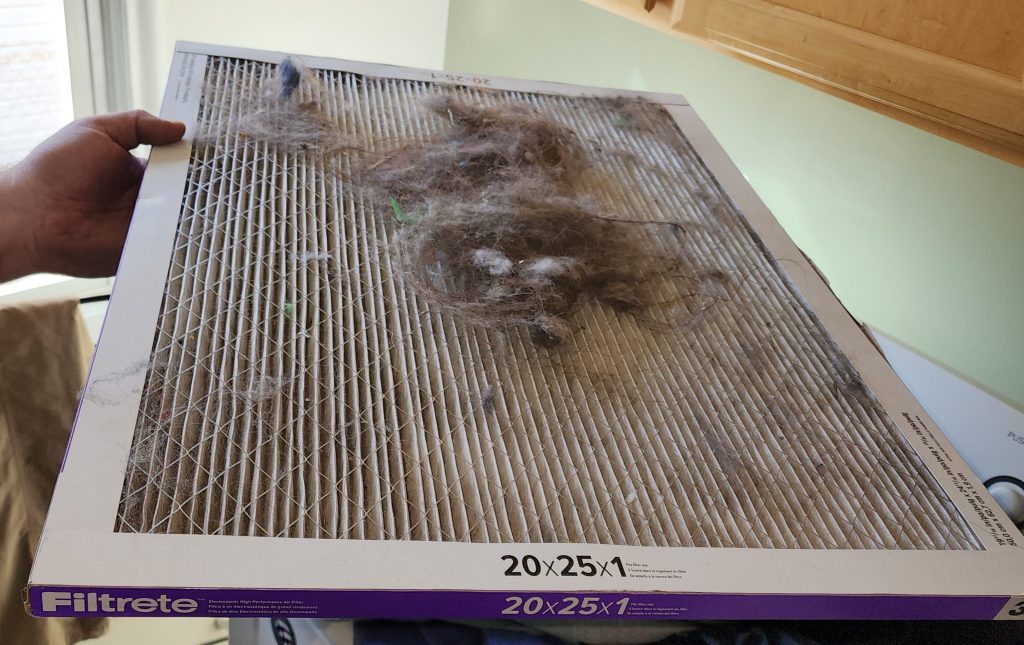
- Filter Changes: Replace your air filter every 1-3 months. A dirty filter forces the furnace to work harder, which can lead to breakdowns.
- Clean the Ducts: Dust and debris can build up in your ducts. Clean them every few years to maintain airflow efficiency.
By prioritizing maintenance, you can extend your furnace’s lifespan and enhance its performance!
3. Usage Patterns
How often and how hard you run your furnace can greatly influence its longevity.
- Climate Considerations: If you live in a colder climate, your furnace will be working overtime during the winter months. This increased usage can lead to more wear and tear.
- Temperature Settings: Keeping your home at a moderate temperature, rather than cranking it up to tropical levels, can also help maintain your furnace.
The more you understand how you use your furnace, the better you can manage its lifespan.
4. Installation Quality
Did you know that proper installation can significantly affect your furnace’s longevity? If it’s not installed correctly, it can lead to various issues down the line.
- Choose a Qualified Installer: Always hire a licensed and experienced technician for installation.
- Follow Manufacturer Guidelines: Ensure that the installation meets all manufacturer specifications to avoid premature failure.
Proper installation isn’t just about getting it right the first time; it’s about ensuring your furnace works efficiently for years to come!
5. Quality of the Furnace
All furnaces are not created equal. Investing in a high-quality furnace can pay off in the long run.
- Look for Warranties: Many reputable brands offer warranties that can protect your investment for years.
- Read Reviews: Before making a purchase, read consumer reviews to gauge the reliability and longevity of different furnace models.
A little research can help you choose a furnace that stands the test of time!
Signs Your Furnace Is Nearing the End
Every furnace has its limits. Here are some signs that yours may be nearing the end of its lifespan:
1. Age
If your furnace is over 15 years old and showing signs of trouble, it might be time to start considering a replacement.
2. Frequent Repairs
If you find yourself calling a technician more than once a year, it could be a sign that your furnace is on its last legs. Frequent repairs can add up quickly!
3. Uneven Heating
Are some rooms in your home warmer than others? This could indicate that your furnace is struggling to maintain consistent heat distribution.
4. Rising Energy Bills
If you notice a sudden spike in your energy bills without a corresponding change in usage, it may be a sign that your furnace is losing efficiency.
5. Strange Noises
Unusual sounds like banging, popping, or squeaking can indicate internal issues. If these sounds persist, it’s time to consult a professional.
Being proactive can help you avoid a complete breakdown in the dead of winter!
Extending Your Furnace's Lifespan
So, you want to get the most out of your furnace? Here are some actionable tips to help you extend its life:
1. Invest in a Smart Thermostat
Smart thermostats can optimize your furnace’s performance by adjusting the temperature based on your daily routine. This not only saves energy but also reduces wear on your system.
2. Keep the Area Clear
Ensure that there’s ample space around your furnace. This promotes proper airflow and reduces strain on the system
3. Seal Leaks
Check for leaks in your ducts. Sealing these can improve efficiency and save money on heating costs.
4. Insulate Your Home
Proper insulation can prevent heat loss and reduce the workload on your furnace. Check your insulation in attics, walls, and basements.
5. Schedule Regular Maintenance
As previously mentioned, regular maintenance is crucial. Don’t skip those annual check-ups! By implementing these tips, you can enhance your furnace’s longevity and efficiency!
When to Replace Your Furnace
Understanding when to replace your furnace is just as important as knowing how to maintain it. Here are key factors to consider
1. Age and Condition
As mentioned earlier, if your furnace is over 15 years old and showing signs of wear, consider replacement.
2. Efficiency Ratings
If your furnace has a low efficiency rating, it might be time for an upgrade. Modern furnaces are significantly more efficient, which means lower energy bills.
3. Environmental Impact
Older furnaces can be less environmentally friendly. If you’re conscious about your carbon footprint, investing in a new, energy-efficient model can be a wise choice.
4. Comfort Levels
If your furnace can’t keep your home warm or comfortable, it may be time to consider a replacement.
Making the switch before a complete breakdown can save you a lot of hassle—and money!
Conclusion: The Heart of Your Home
In summary, a furnace is a crucial component of your home, providing warmth and comfort during the colder months. Understanding its lifespan, knowing how to maintain it, and recognizing when to replace it can significantly enhance your living environment.
Remember, the average furnace lasts 15 to 30 years, but with proper care, yours can last even longer. Invest in regular maintenance, choose quality products, and keep an eye out for warning signs.
Your furnace is more than just a machine; it’s the heart of your home! So take good care of it, and it will take good care of you.
By prioritizing these elements, you’re not just ensuring warmth; you’re making a smart investment in your home. Here’s to a long and efficient life for your furnace!
 English
 Spanish