How hard is Salt Lake City water?
Short answer: expect it to be on the harder side compared with many parts of the country, and expect the exact level to differ from one neighborhood to the next. A single citywide figure would hide that, so this guide does not quote one for any city.
Water hardness describes dissolved minerals, mainly calcium and magnesium, picked up as water moves through rock and soil. Utilities usually report it in grains per gallon or milligrams per liter, and they often present it as a range, because the water changes with season and source.
The reliable way to learn your own level is to look up your water utility's published water quality report, often called a consumer confidence report. Search for your city or district name plus water quality report, or call the utility. A home test kit gives a rough check at the tap, and a lab test is more precise. Test strips are cheap and quick, but they read in broad steps, so treat them as a screen rather than a measurement.
Why water hardness varies across the valley
The valley is served by several utilities and districts, each drawing from its own mix of sources. Some water comes from mountain streams and canyon runoff. Some comes from wells that pull from underground aquifers, and some is purchased from a wholesale supplier and delivered to a neighboring city. Groundwater generally picks up more minerals than snowmelt does.
That mix can shift within a single city, and even through the year. Wells may run harder during dry summers when more groundwater is blended in, while runoff season can soften the supply. Two neighbors on different pressure zones can be served differently. This is why a number from a blog post or a friend across town may not match your tap.
How hard water affects plumbing and appliances
Minerals leave scale behind when water is heated or evaporates. Over time that scale shows up in a few predictable places.
- Water heaters: scale builds on heating elements or the tank bottom, which reduces efficiency and can shorten life.
- Tankless heaters: scale in the heat exchanger restricts flow and usually calls for periodic descaling.
- Fixtures: crusty buildup on faucets and aerators, and showerheads that spray unevenly.
- Appliances: dishwashers and washing machines collect scale in hoses and heating parts.
- Skin, hair and laundry: soap lathers less, and residue can leave fabrics stiff and glass spotted.
- Pipes: heavy deposits can narrow small diameter lines over many years.
When is a water softener worth it?
A softener makes sense when your measured hardness is high enough to cause the symptoms above, or when you own equipment that scale damages, such as a tankless water heater. If your report shows moderate hardness and you see little buildup, you may not need one. If you see scale on every fixture and your heater is working harder each year, it deserves a serious look.
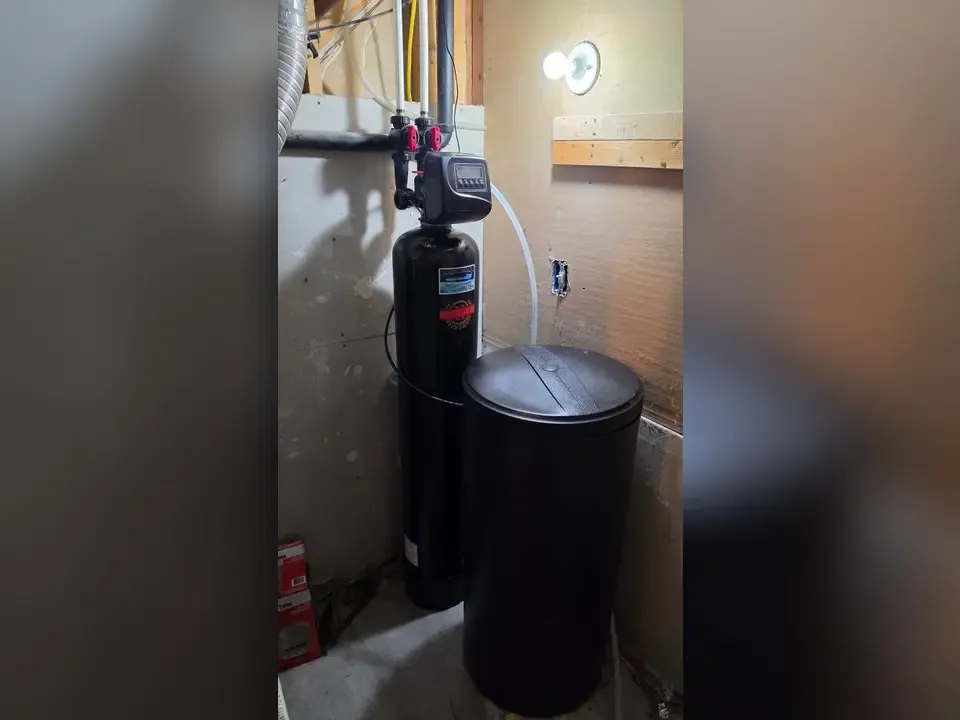
A softener swaps hardness minerals for sodium or potassium through ion exchange and regenerates with salt or potassium. It needs a drain connection, an electrical outlet and room to work. Some people prefer a salt free conditioner, which does not remove hardness but changes how scale forms. The two do different things, so match the choice to your goal.
Before buying anything, get your number from the utility report, check your local rules on discharging softener wastewater, and ask the installer to explain regeneration, salt use and maintenance in plain terms.
What to do next
Find your utility's water quality report, note the hardness range, and compare it with what you see at your fixtures. If scale is clearly affecting your heater or appliances, a plumber can talk through softening or conditioning options for your house. If you rent, tell the landlord what you are seeing, since scale on shared equipment is their concern too. Rocket in West Jordan serves the valley and can be reached at (385) 722-7638.
Frequently asked questions
Where do I find my water hardness number?
Look for your water utility's annual water quality report, also called a consumer confidence report, on its website, or call the utility. If you are on a private well, a lab test of your own water is the only reliable source.
Is hard water safe to drink?
Hardness minerals are not generally considered a health concern, and the issue is mostly practical: scale, soap performance and appliance wear. Your utility report also covers other quality measures if you have specific concerns.
Do I need a softener if I have a tankless water heater?
Not always, but scale hurts tankless units more than tank models because the heat exchanger passages are narrow. Check your hardness level and the manufacturer instructions, since some require water treatment or regular descaling.
Can hard water change from month to month?
Yes. Utilities blend sources, and the mix can move with the season and demand. That is why reports often give a range instead of a single value.
Does a softener make drinking water salty?
A properly working softener adds only a small amount of sodium, or potassium if you use that. Many homeowners keep a separate unsoftened cold tap for drinking. Ask the installer how your system is set up.