The 1970s building boom still defines Sandy housing
US Census Bureau American Community Survey estimates put the median Sandy home in 1984, but the single biggest decade is the 1970s: about 33 percent of all housing in the city. Around 43 percent was built before 1980, and roughly half went up in the 1970s and 1980s together.
That concentration means a lot of Sandy streets share the same construction era, and many houses on them have gone through the same rounds of repairs. Knowing which round your house is in helps you decide what to fix and what to replace.
Fifty years in: 1970s houses are past their first equipment
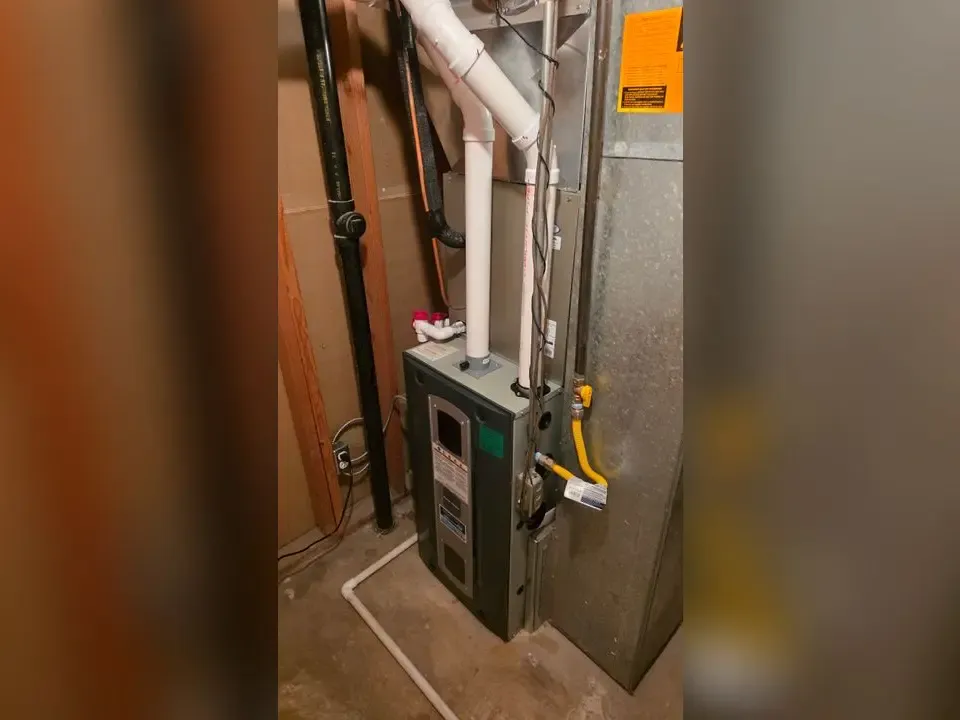
A tank water heater commonly lasts around a decade, so a house built in the 1970s may be on its fourth or fifth. Furnaces and air conditioners have often been replaced at least once too. What often has not been replaced is the piping that was there on move in day, and the patchwork of repairs made to it over the years.
- Mixed pipe materials joined where past repairs were made
- Shutoff valves that no longer close fully after decades of mineral buildup
- Water heater connections and gas lines added piece by piece
Solder before 1986 and polybutylene in some later homes
The 1986 Safe Drinking Water Act amendments banned lead solder, flux and lead pipe in drinking water plumbing. About six in ten Sandy homes were built before 1990, so older solder joints may still be present in many of them. A test of your water through the utility or a lab, not the build year, is what tells you what is in it.
Some homes built from roughly the late 1970s to the mid 1990s were plumbed with gray polybutylene supply pipe, a material that later fell out of use because of failures. That window covers a large part of Sandy’s 1980s and early 1990s construction, so it is worth identifying the pipe in your house.
Deciding whether to repipe a Sandy home
One leak on otherwise sound pipe is a repair. Repeated leaks, falling pressure or a pipe type known for failures usually point toward repiping.
- Look at exposed supply lines near the water heater, under sinks and at the main shutoff.
- Note how many leaks or repairs the house has had in recent years.
- Have a technician confirm the material and condition of the original lines.
- Choose between targeted section replacement and replacing the whole supply system.
Rethinking heat and comfort in an older floor plan
Older floor plans often leave a lower level cold in winter and an upper level warm in summer. A mini-split can even out those temperature swings in the rooms that never match the thermostat. When the furnace or air conditioner is due again, a heat pump is worth comparing, and Rocket notes it is a good match for homes with solar. Whole-home humidifiers can help with dry winter air.
Rocket is a West Jordan father and sons team serving the valley. You can schedule online, call or text.
Water quality in an older plumbing system
Hard water is common in the Salt Lake Valley, and older valves and fixtures have usually carried decades of it. Read your utility’s published water quality report for your own figures, and see the guide to Salt Lake City water hardness for how to use it. A softener or filtration system can then be matched to what you actually need.
Frequently asked questions
My Sandy house was built in the 1970s. Is it time to repipe?
Not automatically. Age alone does not decide it. If the original lines are leaking in more than one place, pressure has dropped or the pipe is a material known for failures, repiping deserves a serious look.
How can I tell if my home has polybutylene pipe?
Polybutylene is usually gray plastic and was used in some homes from roughly the late 1970s to the mid 1990s. Check exposed lines near the water heater and under sinks, then have a technician confirm.
Why is my lower level so cold in winter?
Older layouts often have uneven airflow between floors. A mini-split can heat that area directly, which avoids overheating the rest of the house to warm one level.
Should I replace old shutoff valves?
If a valve will not close fully, yes. In an emergency you need to stop the water quickly, and decades old valves often stick or leak once they are finally turned.